Uncategorized
相変化材料(PCM)の概要と応用
📌 主なポイント
- ✓相変化材料(PCM)は、物質の相変化に伴う潜熱を利用して熱エネルギーを蓄積・放出する。
- ✓主な分類には、パラフィンなどの有機系と、塩水和物などの無機系がある。
- ✓建築の空調負荷軽減、冷却グッズ、電子機器の熱保護など幅広い分野で利用されている。
相変化材料(Phase-change material, PCM)は、物質が固体から液体、あるいはその逆といった相変化を起こす際に吸収または放出される潜熱を利用し、効率的にエネルギーを蓄積・供給する物質の総称です。融解熱を利用した蓄熱は、温度変化のみを利用する顕熱蓄熱に比べて、単位質量あたりのエネルギー密度が非常に高いという特徴があります。
主な分類と特性
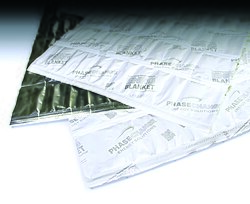
PCMは主に有機系と無機系に分類されます。有機PCMにはパラフィンや脂質が含まれ、化学的に安定しており、分離しにくいという利点があります。一方で、無機PCMには塩水和物などが含まれ、体積あたりの蓄熱密度が高く、低コストで入手可能であるという利点があります。
また、固体から固体への相変化を利用する材料や、水素結合を利用して融点を高めたセミクラスレートハイドレートなども研究されています。これらの材料は、過冷却の抑制や熱伝導率の向上が課題となっており、カーボンナノチューブや金属ナノ粒子を添加するナノコンポジット技術による性能改善が進められています。
主な用途
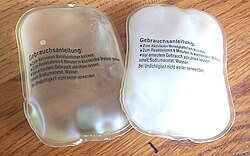
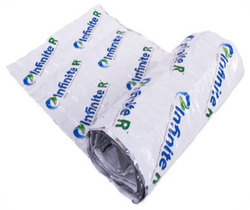
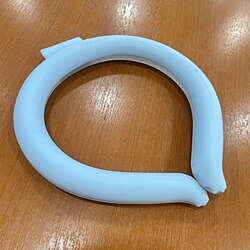
PCMの用途は多岐にわたります。建築分野では、冷暖房の負荷を軽減するためのパッシブ冷却システムとして注目されています。また、携帯カイロやネッククーラーといった冷却グッズ、精密機器の温度管理、さらには血液輸送などの医療用途にも活用されています。
よくある質問
PCMが潜熱蓄熱材と呼ばれるのはなぜですか?
物質が固体から液体へ、あるいはその逆に変化する際に吸収・放出される「潜熱」を利用して熱を蓄えるためです。
有機PCMと無機PCMの主な違いは何ですか?
有機PCMは化学的安定性が高く分離しにくい一方、無機PCMは蓄熱密度が高く低コストであるという特徴があります。
参考文献
- Kenisarin, M; Mahkamov, K (2007). “Solar energy storage using phase change materials”. Renewable and Sustainable –1965 11 (9): 1913–1965. doi:10.1016/j.rser.2006.05.005.
- “ENRG Blanket powered by BioPCM”. Phase Change Energy Solutions. 2018年3月12日閲覧。
- "Heat storage systems" (PDF) by Mary Anne White, brings a list of advantages and disadvantages of Paraffin heat storage. A more complete list can be found in AccessScience from McGraw-Hill Education, DOI 10.1036/1097-8542.YB020415, last modified: March 25, 2002 based on 'Latent heat storage in concrete II, Solar Energy Materials, Hawes DW, Banu D, Feldman D, 1990, 21, pp.61–80.
- Floros, Michael C.; Kaller, Kayden L. C.; Poopalam, Kosheela D.; Narine, Suresh S. (2016-12-01). “Lipid derived diamide phase change materials for high temperature thermal energy storage”. Solar Energy 139: 23–28. Bibcode:2016SoEn..139...23F. doi:10.1016/j.solener.2016.09.032.
- Agyenim, Francis; Eames, Philip; Smyth, Mervyn (2011-01-01). “Experimental study on the melting and solidification behaviour of a medium temperature phase change storage material (Erythritol) system augmented with fins to power a LiBr/H2O absorption cooling system”. Renewable Energy 36 (1): 108–117. doi:10.1016/j.renene.2010.06.005.
- Fleishcher, A.S. (2014). “Improved heat recovery from paraffn-based phase change materials due to the presence of percolating graphene networks”. Improved Heat Recovery from Paraffn-based Phase Change Materials Due to the Presence of Percolating Graphene Networks 79: 324–333.
- (2015). Thermal energy storage using phase change materials: fundamentals and applications. Springer
- “Phase Change Energy Solutions”. 2018年2月28日閲覧。
- Cantor, S. (1978). “DSC study of melting and solidification of salt hydrates”. Thermochimica Acta 26 (1–3): 39–47. doi:10.1016/0040-6031(78)80055-0.
- olé, A.; Miró, L.; Barreneche, C.; Martorell, I.; Cabeza, L.F. (2015). “Corrosion of metals and salt hydrates used for thermochemical energy storage”. Renewable Energy 75: 519–523. doi:10.1016/j.renene.2014.09.059.
- A. Sharma; V. Tyagi; C. Chen; D. Buddhi (February 2009). “Review on thermal energy storage with phase change materials and applications”. Renewable and Sustainable Energy Reviews 13 (2): 318–345. doi:10.1016/j.rser.2007.10.005.
- Sharma, Someshower Dutt; Kitano, Hiroaki; Sagara, Kazunobu (2004). “Phase Change Materials for Low Temperature Solar Thermal Applications”. Res. Rep. Fac. Eng. Mie Univ. 29: 31–64. オリジナルの2020-06-27時点におけるアーカイブ。.
- “Infinite R”. Insolcorp, Inc. 2017年3月1日閲覧。
- “Research – Muromachi Lab in Yokohama National University”. 2025年7月15日閲覧。
- 大島 基 (2019). “クラスレートハイドレートの熱利用”. 日本エネルギー学会機関誌 えねるみくす 98 (191-194).
- “Phase Change Energy Solutions PhaseStor”. Phase Change Energy Solutions. 2018年2月28日閲覧。
- Kenisarin, Murat; Mahkamov, Khamid (2007-12-01). “Solar energy storage using phase change materials”. Renewable and Sustainable Energy Reviews 11 (9): 1913–1965. doi:10.1016/j.rser.2006.05.005. ISSN 1364-0321.
- Punniakodi, Banumathi Munuswamy Swami; Senthil, Ramalingam (2022-05-01). “Recent developments in nano-enhanced phase change materials for solar thermal storage”. Solar Energy Materials and Solar Cells 238: 111629. Bibcode:2022SEMSC.23811629P. doi:10.1016/j.solmat.2022.111629. ISSN 0927-0248.
- Omara, Z. M.; Ahmed, Mohamed M. Z.; Alawee, Wissam H.; Shanmugan, S.; Elashmawy, Mohamed (2024-06-01). “A comprehensive review of nano-enhanced phase change materials on solar stills with scientometric analysis”. Results in Engineering 22: 102088. doi:10.1016/j.rineng.2024.102088. ISSN 2590-1230.
- Omer, A (2008). “Renewable building energy systems and passive human comfort solutions”. Renewable and Sustainable Energy Reviews 12 (6): 1562–1587. doi:10.1016/j.rser.2006.07.010.
- “FlexTherm Eco, Flamco (Aalberts hydronic flow control)”. www.Flamco.com. 2021年11月20日閲覧。
- Chatterjee, Rukmava; Beysens, Daniel; Anand, Sushant (2019). “Delaying Ice and Frost Formation Using Phase-Switching Liquids” (英語). Advanced Materials 31 (17): 1807812. Bibcode:2019AdM....3107812C. doi:10.1002/adma.201807812. ISSN 1521-4095. PMID 30873685.
- Aravind, Indulekha; Kumar, KP Narayana (2015年8月2日). “How two low-cost, made-in-India innovations MiraCradle & Embrace Nest are helping save the lives of newborns”. timesofindia-economictimes.
- “MiraCradle - Neonate Cooler”. miracradle.com. 2023年9月24日閲覧。